
One of the most exciting moments in any watercolor journey is the transition from a rough idea to the final paper. However, transferring that sketch—or tracing your drawing—can be surprisingly tricky. The goal is to move your vision onto the surface without compromising the delicate texture of your watercolor paper.
In this post, we’ll explore several popular transfer methods and discuss which pencils yield the best results. We’ll also tackle that lingering question often debated in the art community: is tracing actually “cheating”?
Why Starting on Drawing Paper is a Smart Move
Many artists find it helpful to begin their sketches on standard drawing paper. Its smooth surface is far more forgiving, allowing you to erase and refine your lines without the fear of damaging expensive watercolor paper. Once you’ve perfected your composition, you can then transfer it to your final surface using one of the methods we’ll cover.
This strategic first step ensures your watercolor paper remains pristine, free from ghost lines or scuffs caused by heavy erasing. By doing the “heavy lifting” of the creative process on a separate sheet, you can focus entirely on your vision, knowing your final surface is clean and ready for paint.
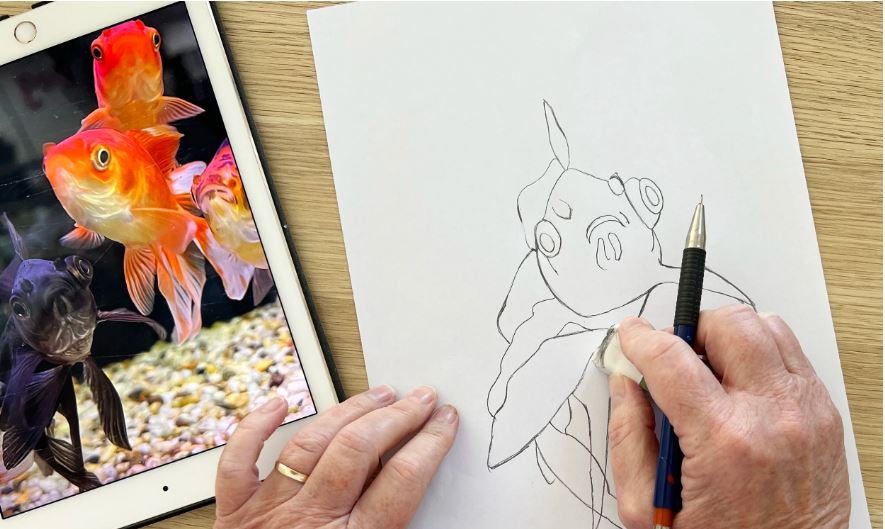
From Inspiration to Paper: Working with Source Images
When a photograph or a specific visual reference sparks your creativity, the journey usually begins with a foundational sketch on blank drawing paper. This initial outline acts as your bridge, allowing you to translate the core elements of your reference into a workable composition. Once you are happy with the draft on your drawing paper, you can then move it onto your watercolor paper using the transfer methods we’ll dive into.
Think of your source image as the structural skeleton for your painting. Whether you prefer using a lightbox, transfer paper, or a classic grid system, the objective is to accurately lock in those vital proportions. This ensures that the “bones” of your reference are preserved, giving you a confident, solid starting point. By handling the technical mapping first, you leave plenty of mental space for the most exciting part: your own creative interpretation and the fluid magic of the paint.
Tracing Your Outline: The Foundation of a Successful Painting
Once your sketch is ready—whether it’s on drawing paper, tracing paper, or even as a digital file—the next logical step is moving that outline onto your watercolor surface. Tracing isn’t just about copying; it’s about ensuring the key elements of your composition are accurately placed, giving you a rock-solid framework before the first drop of paint hits the paper.
This step is truly crucial because it locks in your proportions and layout. By handling the technical “map” of your piece early on, you free your mind to focus entirely on the creative, fluid aspects of the watercolor itself. Whether you choose a lightbox, transfer paper, or another favorite method, the goal is the same: translating your vision with precision and care so you can paint with total confidence.
Mastering Transfer Paper: A Step-by-Step Guide
Transfer paper, often called graphite paper, is an invaluable tool for artists. It allows you to move a detailed sketch onto your watercolor surface with high precision and zero risk of damaging the delicate paper texture. It’s a clean, efficient bridge between your draft and your final masterpiece.
Step 1: Prepare Your Materials
Before you begin, gather your essentials: your original sketch, a sheet of graphite transfer paper, your final watercolor paper, and a tracing tool. A regular HB pencil is my top recommendation here; it’s firm enough to leave a clear mark through the transfer sheet without being so soft that it smudges.
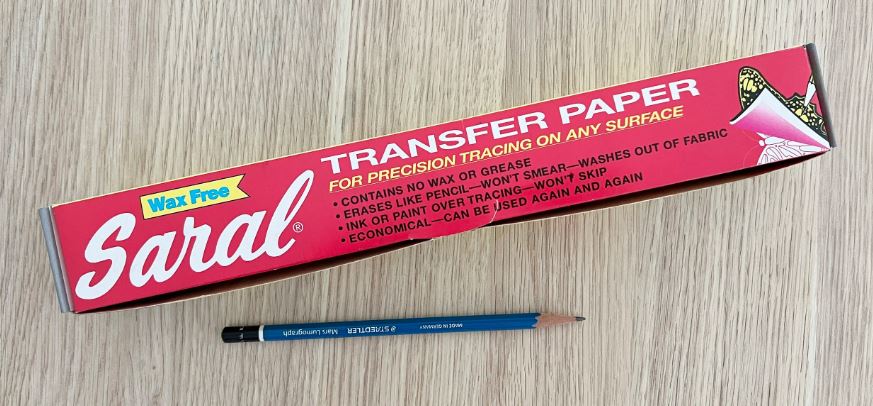
Saral transfer paper makes tracing pictures onto watercolour paper easy!
Ensure your transfer paper is positioned with the graphite side facing down onto the watercolor paper. If your sketch is larger than your transfer sheet, don’t worry—you can shift the paper as you go. The key is keeping everything perfectly aligned to avoid a “ghosting” effect or a disjointed drawing.
Step 2: Position the Papers
Begin by laying your watercolor paper flat on a clean, stable surface. Place the transfer paper directly on top of it with the graphite side facing down, as this is the side that will release the lead onto your paper. Finally, layer your sketch on the very top. To ensure your hard work doesn’t shift mid-trace, I highly recommend securing the corners with a bit of low-tack artist’s tape.
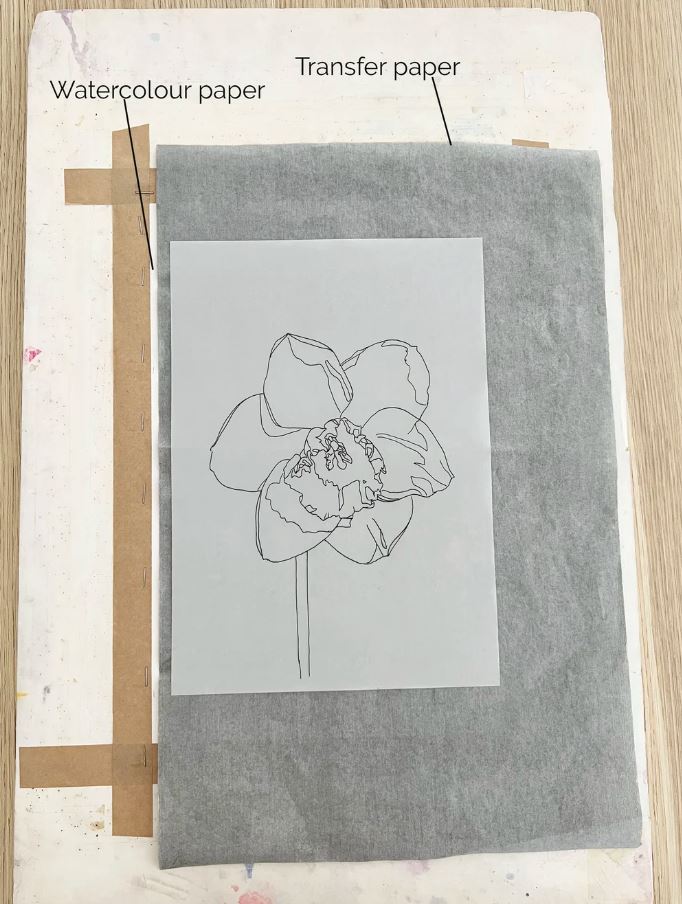
In my own process, I often have my watercolor paper already stretched and taped to a gatorboard. I simply slide a sheet of Saral transfer paper underneath my line drawing, aligning everything carefully before I begin. This setup keeps the design stable and prevents any accidental misalignment during the transfer.
Step 3: Begin Tracing
Now, using your pencil or stylus, carefully trace over the lines of your original sketch. The pressure from your hand will cause the graphite to release from the transfer sheet and land onto your watercolor paper. Finding the right balance of pressure is key:
- Too much pressure: Can lead to dark, heavy lines that are difficult to erase or might even leave physical indentations (grooves) in the paper that paint will settle into.
- Too little pressure: May result in faint, ghostly lines that are hard to see once you start layering your washes.
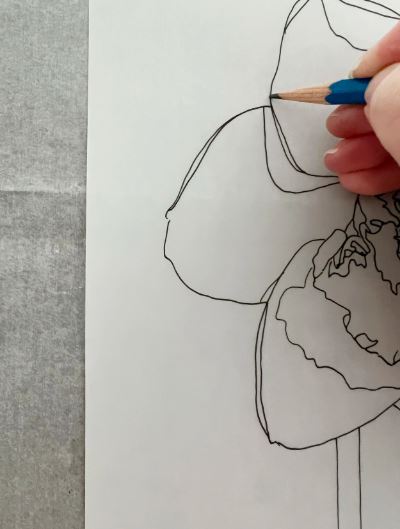
Tracing the daffodil onto the watercolour paper.
Pro Tip: Aim for moderate, even pressure—just enough to leave a clear guide. If you’re unsure, run a quick test on a scrap piece of watercolor paper first to gauge exactly how much “push” you need for a clean, subtle line.
Step 4: Check as You Go
As you trace, it’s a good habit to periodically lift a corner of your sketch and transfer paper to see how the lines are appearing on the watercolor surface. This quick check helps you confirm that your pressure is consistent and that the entire image is transferring accurately.
Crucial Note: This is why taping your sketch is so important! You want to be able to peek underneath without accidentally shifting the alignment. If you notice lines are too faint, you can immediately go back over them with a bit more pressure. Conversely, if they look too dark, you can lighten your touch for the remainder of the piece.
Step 5: Final Adjustments
Once you’ve finished tracing, carefully lift away your sketch and the transfer paper. You should now see a light, clean version of your original drawing on the watercolor surface. If any lines appear a bit too dark, don’t worry—simply use a kneaded eraser to gently dab and lighten them. Avoid rubbing forcefully, as you want to keep the delicate paper fibers perfectly intact.
Using transfer paper is one of the most reliable ways to ensure your work stays clean and accurate. By mastering your hand pressure and checking your progress as you go, you create a professional, precise foundation that allows you to paint with absolute clarity and ease.
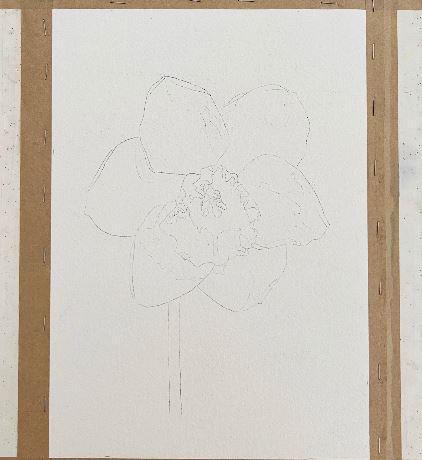
The line drawing of the daffodil has been transferred to the watercolour paper.
Lightbox Tracing: Precision with Ease
Tracing with a lightbox or light table is a favorite among artists for its sheer simplicity. By placing your sketch on the light source and layering your watercolor paper on top, the image shines through clearly. This allows you to trace your lines with a feather-light touch, eliminating the risk of indenting or damaging the paper’s delicate surface.
Pro Tip: If you plan to stretch your watercolor paper, remember to transfer your drawing before you soak and tape it down. Once the paper is wet and mounted, it becomes too opaque and heavy to use with a lightbox.
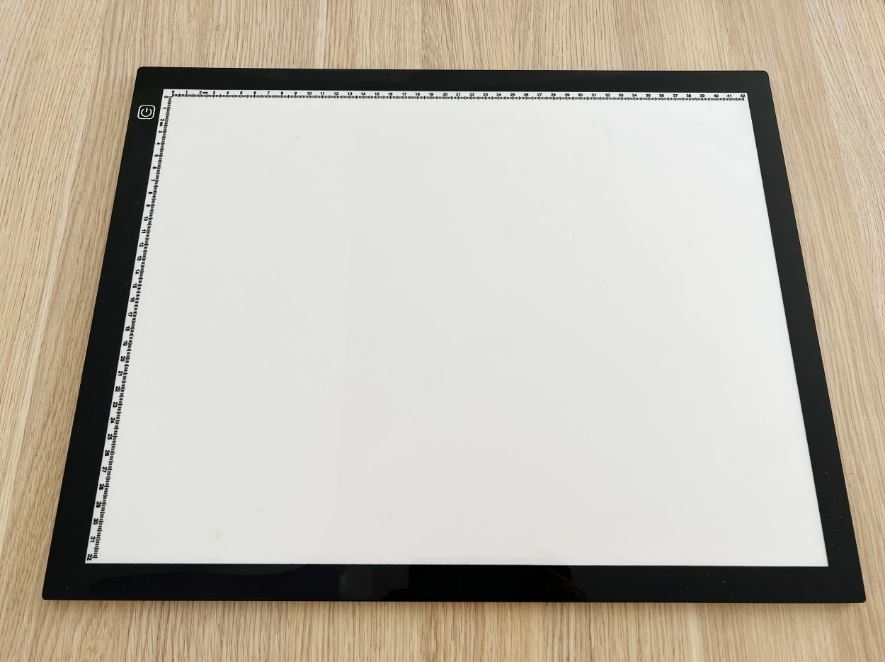
A Lightbox – used for tracing your line drawing into tracing paper.
No Lightbox? No Problem!
If you don’t own a professional light table, you likely have a perfect substitute right in your hands. A tablet or iPad with the brightness turned up to maximum works beautifully. Simply open a blank white image (or use a dedicated lightbox app), place your sketch on the screen, and layer your watercolor paper on top. The high-intensity display provides more than enough light for a clean transfer.
Pencil Recommendation: For this method, reach for an HB or 2H pencil. These harder grades produce light, fine lines that won’t smudge or bleed into your watercolor washes later.
Tracing Paper: A Flexible Tool for Delicate Transfers
Tracing paper is a fantastic, versatile option for artists who want a bit more control and flexibility during the transfer process. Unlike standard transfer paper, tracing paper acts as a middle step, allowing you to create a refined, “clean” version of your sketch by tracing over your original messy draft first.
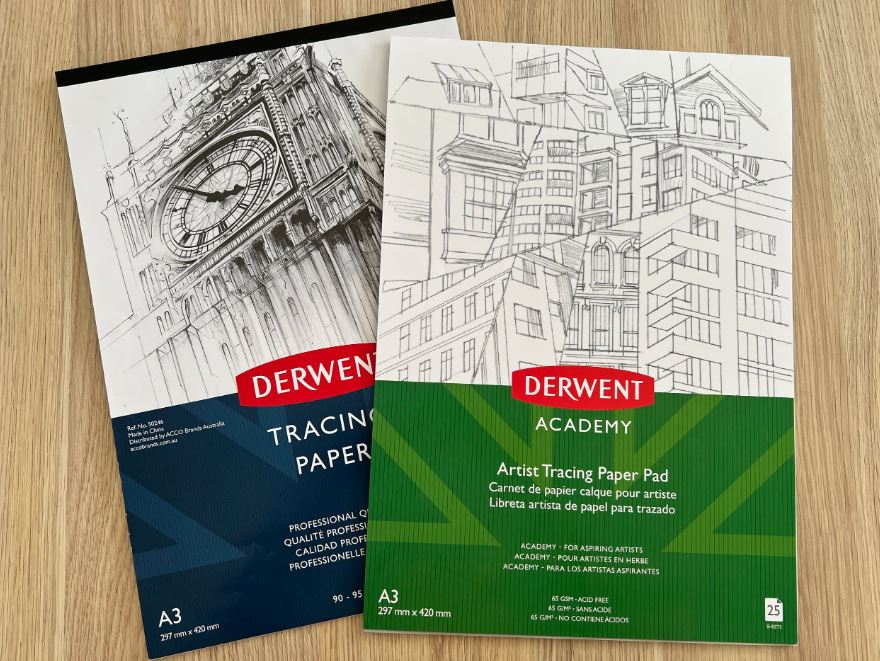
Tracing paper is a staple art supply in my art studio.
This method is especially helpful if you need to make final adjustments or corrections before committing to your watercolor paper. Once your sketch is perfected on the tracing paper, you have two great ways to finish the transfer:
The Graphite Rub: Flip the tracing paper over, rub graphite on the back, and re-trace the lines onto your watercolor paper.
The Lightbox Path: Position the tracing paper over your watercolor paper on a lightbox—the thinness of the tracing paper makes the lines even easier to see.
Because you aren’t sketching and erasing directly on your final surface, this technique is ideal for preserving the pristine texture of your watercolor paper.
Pencil Recommendation: Stick with an HB or 2H pencil. These grades provide a clear, visible line for the transfer while remaining firm enough to prevent unwanted smudging.
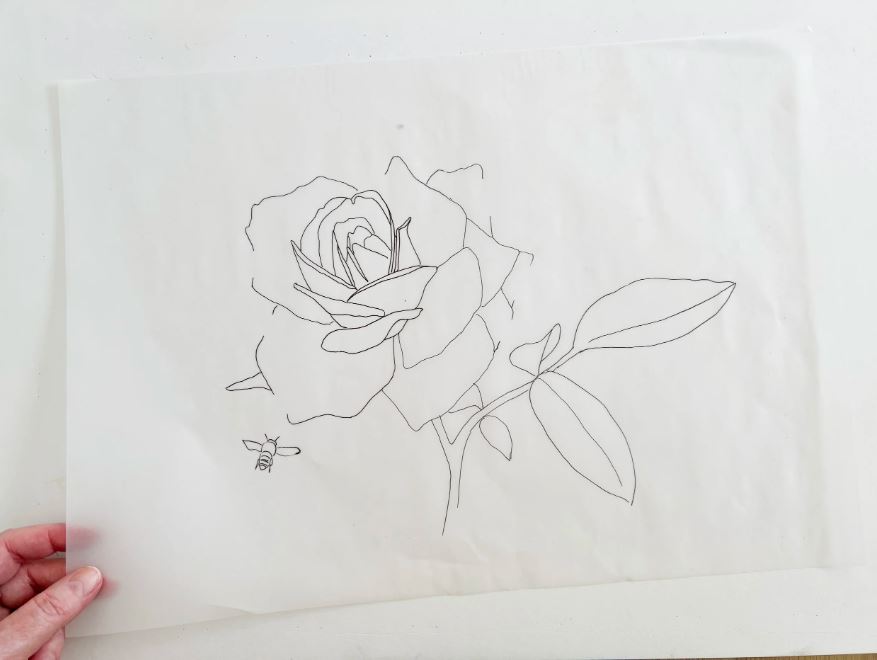
I find it helpful to trace my original image onto a sheet of tracing paper before I transfer it to my watercolour paper. It helps me to perfect the sketch and leave out any unwanted lines.
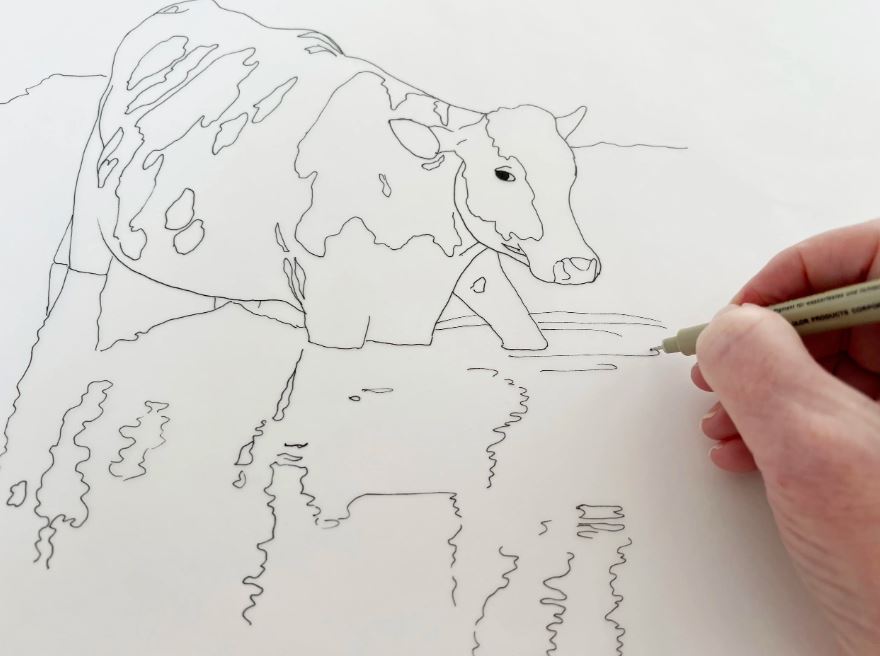
Scribbling on the Back: The DIY Approach
If you don’t have transfer paper or a lightbox, don’t worry! You can always use the tried-and-true “DIY” method. This is a classic trick for artists on the go or those who prefer a low-tech solution.
In all of my tutorials, I provide a traceable line drawing for you to use. Simply print it out and follow these steps:
The Graphite Layer: Turn your sketch or printed outline over and heavily scribble with graphite over the back of the lines.
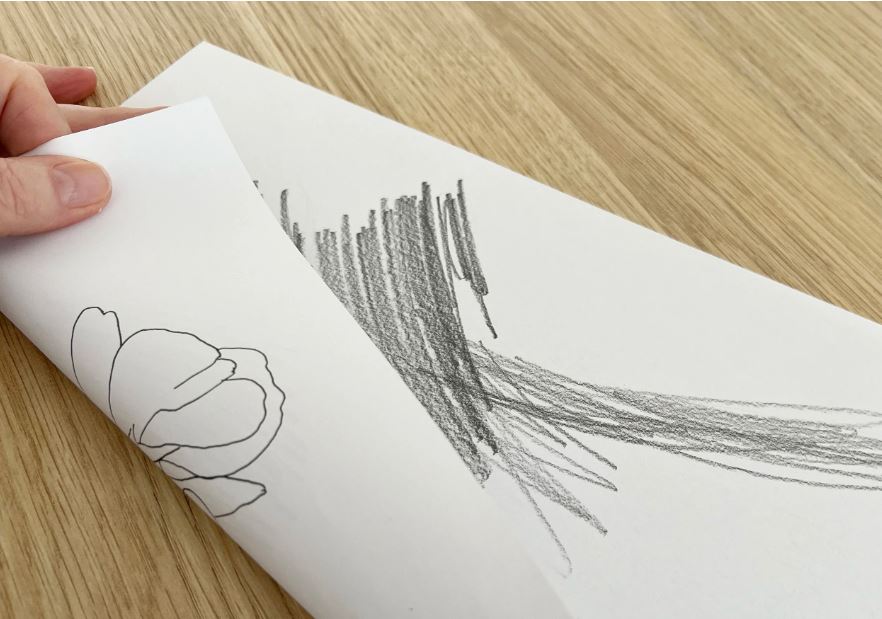
The Transfer: Place the paper (graphite-side down) onto your watercolor paper and trace over your original lines on the front.
The Result: The pressure from your pencil transfers the graphite from the back of the page directly onto your watercolor paper.
Pencil Recommendation: For scribbling on the back, use a soft pencil like a 4B or 6B. These grades deposit a generous amount of graphite, ensuring your lines transfer clearly with minimal effort.
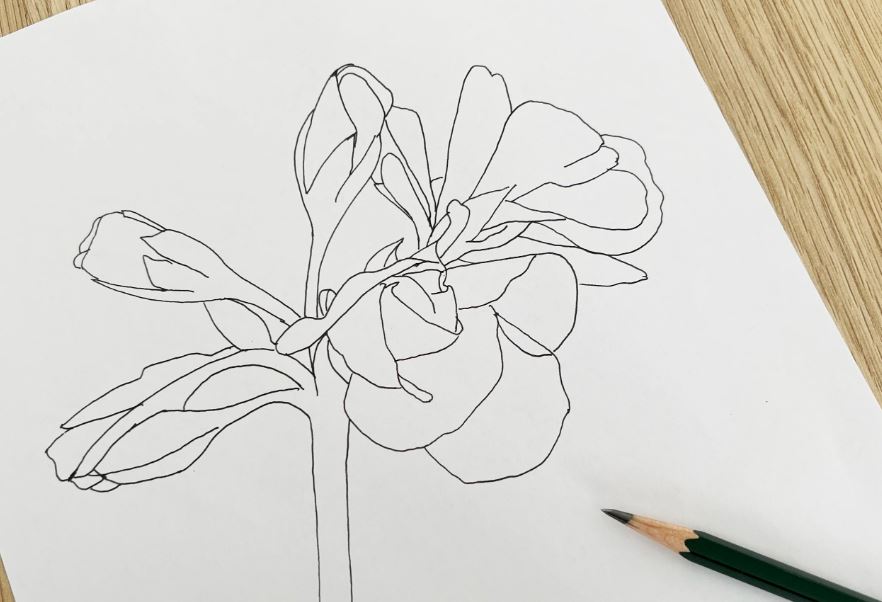
One of my line drawings printed onto paper.
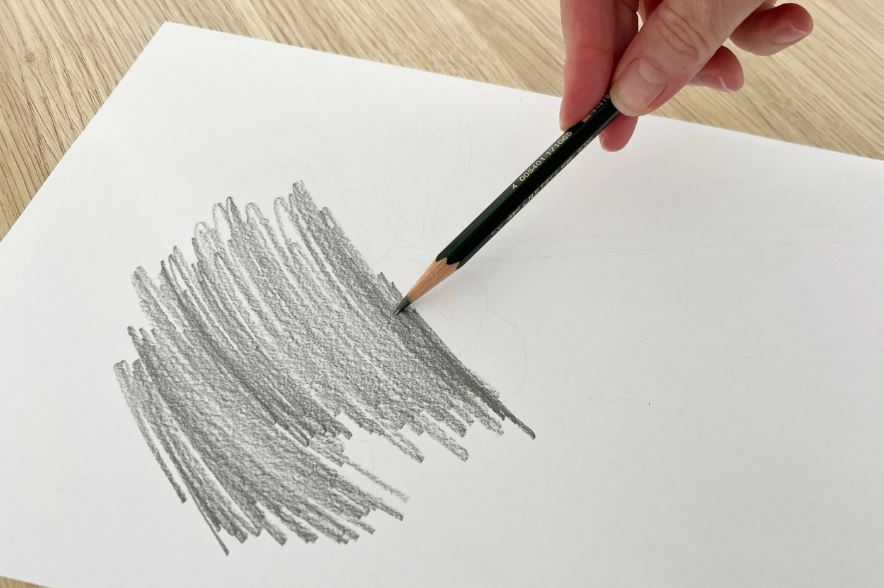
Scribbling with a graphite pencil onto the back of the line drawing.
Projectors: Going Big
For larger pieces or when you need to scale up your sketch, a projector can be a game-changer. By projecting your image directly onto the watercolor paper, you can trace the outlines with perfect accuracy. This method is particularly useful for murals, oversized commissions, or any large-scale composition where maintaining correct proportions becomes difficult by hand.
Using a projector allows you to step back and see the “big picture” before you even start painting, ensuring every element is exactly where it needs to be.
Pencil Recommendation: Once again, an HB or 2H pencil is your best bet. These will keep your lines light and manageable, ensuring they don’t compete with the projected light or your future washes.
The Grid System: Precision with Patience
The grid system is a time-tested technique that artists have used for centuries to achieve perfect proportions. It involves drawing a grid of equal squares over your reference image and a corresponding grid on your watercolor paper. By focusing on one square at a time, you can accurately replicate the shapes and placement of your subject.
This method is fantastic for training your eye to see shapes rather than just the “object,” making it an excellent exercise for both beginners and seasoned artists. It’s particularly helpful when you want to scale an image up or down while keeping everything perfectly in proportion.
Pencil Recommendation: Use a 2H pencil for both the grid lines and the sketch. Its hardness makes it less likely to smudge, and the lines will be light enough to erase easily once your sketch is finalized and you’re ready to paint.
Drawing Directly on the Paper: Confidence is Key
Of course, you can always sketch by hand directly onto your watercolor paper, especially if you’re feeling confident in your drawing skills. This approach feels more organic and allows for a spontaneous flow. However, keep in mind that watercolor paper is delicate; excessive erasing can scuff the surface, making it rough and causing paint to settle unevenly in the damaged fibers.
If you choose to sketch directly, you’ll want to be as light and precise as possible to minimize the need for corrections.
Pencil Recommendation: A 2H or even a non-photo blue pencil is a fantastic choice here. Non-photo blue is particularly clever because it doesn’t show up in scans or photos, which is a massive advantage if you plan to digitize your artwork later.
Choosing the Right Eraser
When working with watercolor paper, your choice of eraser is just as important as your pencil. Since the surface is delicate, you must be incredibly gentle to avoid compromising the paper’s “tooth” (texture).
Kneaded Eraser: This is undoubtedly an artist’s best friend. Because it is soft and pliable, you can simply press and lift the graphite off the paper rather than rubbing it. This prevents the paper fibers from tearing or becoming fuzzy.
Soft Vinyl Eraser: For more stubborn marks, a soft vinyl (plastic) eraser can be effective. However, use it sparingly and with a light touch to ensure you don’t leave a “slick” spot where paint might not adhere correctly.
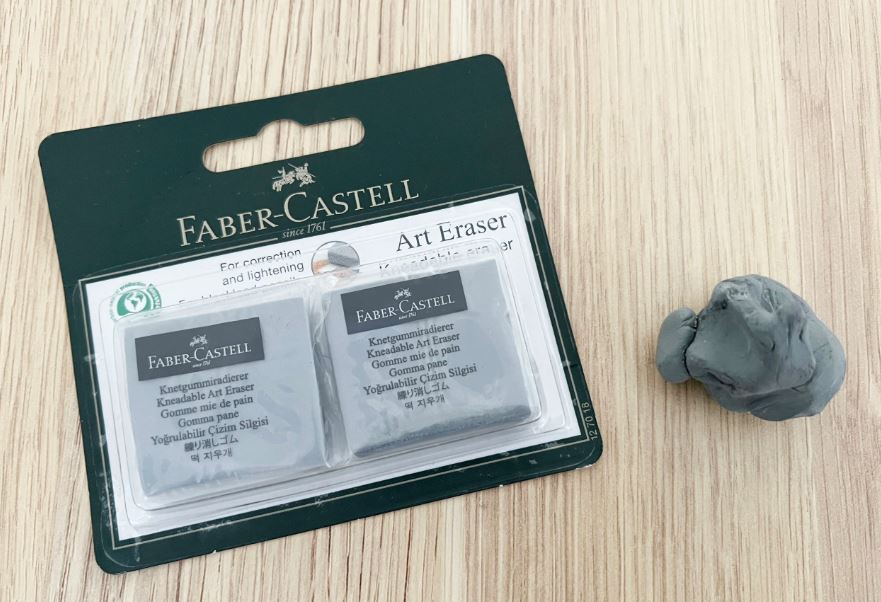
Kneadable erasers.
Preventing Smudging: A Quick Tip
Smudging can be a pesky issue, especially when you’re using softer pencils like a 4B or 6B, which tend to “drift” across the page. To keep your sketch crisp and your watercolor paper pristine, try these simple safeguards:
The Paper Shield: Place a clean, scrap sheet of paper under your hand as you work. This acts as a barrier, preventing the natural oils from your skin and the friction of your palm from dragging the graphite across the surface.
The Artist’s Glove: You can also use a “two-finger” drawing glove (often used by digital artists). These are great for traditional work too, as they allow your hand to glide smoothly without touching the graphite.
By taking these small precautions, you’ll ensure that your final outline stays sharp and your paper remains free of gray “clouds” before you even pick up a brush.
Paper Quality Considerations
It is important to remember that not all watercolor papers are created equal. The “tooth” or texture of your specific paper will significantly impact how your sketch transfers:
Cold-Pressed Paper: Known for its traditional bumpy texture. Because the surface is uneven, you might find you need slightly more pressure to ensure the graphite reaches into the “valleys” of the paper for a clear line.
Hot-Pressed Paper: This paper is pressed with hot rollers to create a smooth, flat surface. While it takes a transfer very easily, it is also much less forgiving—graphite marks will stand out sharply, and any heavy-handedness will be more visible.
Pro Tip: To avoid surprises, always keep a small scrap of your chosen paper nearby. Run a quick “pressure test” with your transfer method of choice before committing to your final sheet. This ensures you get the perfect line without any unwanted indents or smudges.
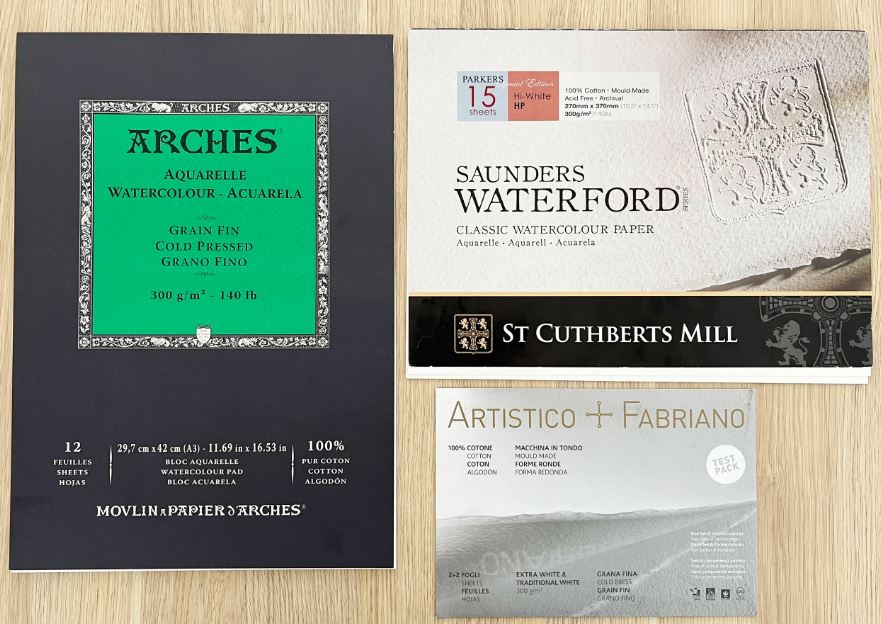
Assorted watercolour pads.
Digitizing Considerations
If you plan to digitize your artwork, keep in mind how your sketch transfer process might affect the final scan. Any leftover pencil marks can appear in a high-resolution photograph or scan, requiring extra cleanup later.
Non-photo blue pencils are a brilliant solution here; they are specifically designed to be invisible to most scanners and cameras, allowing you to maintain clean, professional lines in your digital files without extra editing.
Is it “Cheating”?
Let’s address the elephant in the room: some artists worry that using transfer techniques is “cheating.” But the truth is, these methods are simply tools to help you achieve the best possible outcome.
Transferring a sketch is about efficiency and accuracy, not cutting corners. Professional artists have used aids—from the camera obscura to the grid system—for centuries. The true magic happens during the painting process, where your color choices, brushwork, and creativity shine. If a lightbox or transfer paper helps you get to that stage with more confidence, embrace it!
Wrapping Up: Embrace the Process
Transferring a sketch to watercolor paper is just one of many steps in your creative journey. Every artist’s process is unique. Whether you prefer the precision of a projector, the simplicity of tracing paper, or the bold approach of drawing directly onto the surface, the goal is to make the workflow serve you.
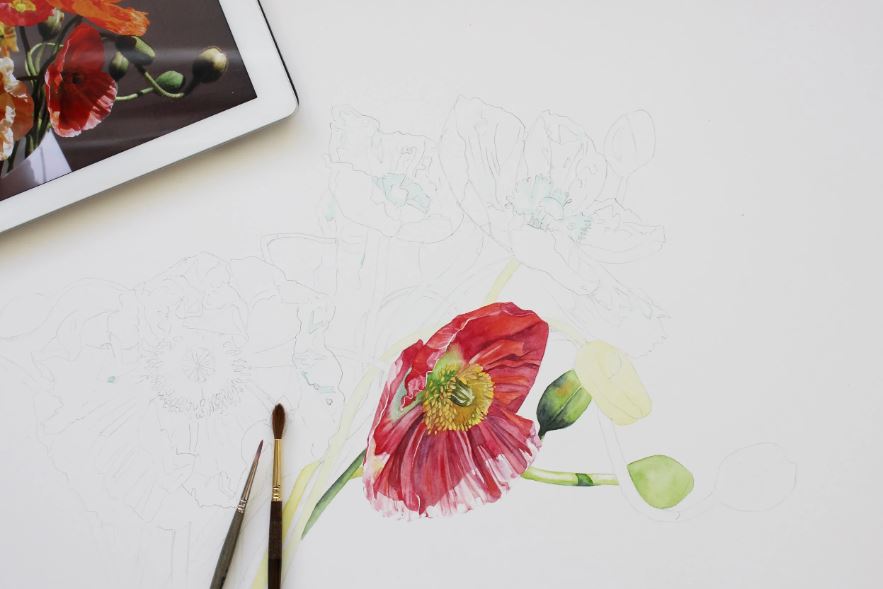
Experiment with these techniques, find what feels most natural, and most importantly, enjoy the act of creation. Your transfer method doesn’t define your talent—it’s just a bridge between your vision and your masterpiece.
Take a deep breath, trust your instincts, and let your watercolor journey unfold. Happy painting, and may your colors always be vibrant! 🎨
Warm regards,
Jennifer
